Imagine walking into a home where every corner feels clean, secure, and efficiently maintained—with minimal costs and maximum satisfaction. Embracing DIY maintenance in 2025 means you can avoid unexpected headaches, boost your property value, and create spaces that reflect your style. Best of all, the right know-how can put hundreds back in your pocket each year.
Why Routine Home Maintenance is the 2025 DIY Trend to Master
As we step further into 2025, routine home maintenance is leading the charge as the most popular, urgent, and rewarding category for DIY fixes. The latest State of Home Spending report found that 36% of homeowners will prioritize preventive maintenance this year, focusing on essential tasks like gutter cleaning, lawn care, and leak prevention (Angi, 2025). Hiring professionals for these tasks—like gutter cleaning—can run anywhere from $120 to $235 each season, while lawn work may cost between $100 and $500 monthly[1]. For homeowners who want to keep budgets tight and homes in top shape, tackling maintenance themselves is a clear win.
Backing this movement is another powerful statistic: 73% of Canadians now opt for DIY repairs (Ipsos/CBC, 2022), driven by cost savings, the desire for personalization, and to avoid contractor delays—a trend also mirrored in the U.S.[3]. The home improvement market has soared above $58 billion annually, with DIY solutions capturing more of that growth each year.[3]
Key Benefits of DIY Maintenance
- Budget Friendly: Most routine chores only cost your time and inexpensive supplies—meaning more money stays in your wallet.
- Confidence and Customization: DIY lets you tailor fixes and improvements to your needs, and the satisfaction of a job well done is hard to match.
- Long-Term Savings: Preventive care averts larger, costlier repairs down the line. Regular effort cuts the risk of emergencies and preserves your home’s value.
Top Routine Maintenance Projects for 2025 DIYers
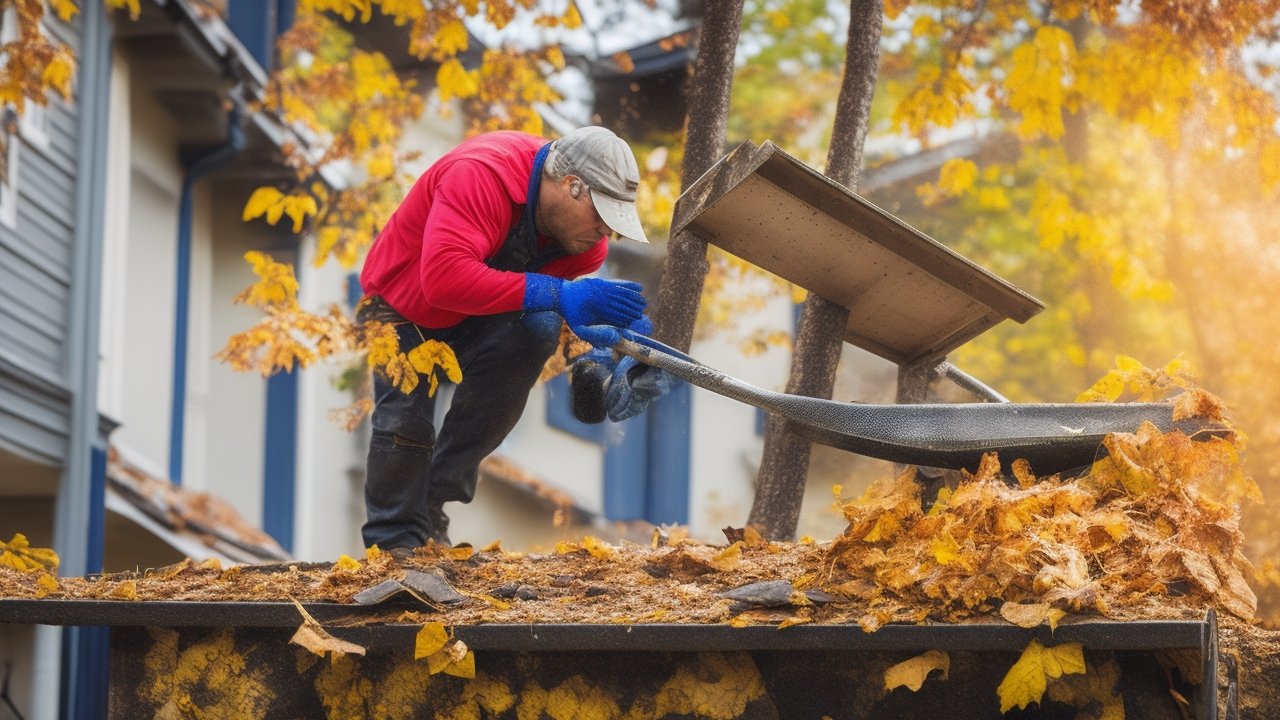
- Gutter Cleaning: Prevent costly water damage by regularly clearing leaves and debris. Blockages can lead to gutters overflowing and cause foundation erosion or leaks inside.
- Lawn and Garden Care: Routine mowing, aeration, and weeding not only keep your property looking its best but also prevent pest infestations and weed overgrowth.
- Drywall and Screen Repairs: Patching holes or cracks in walls, or replacing damaged window screens, are quick fixes that protect your home from drafts and pests without professional bills.
- Paint Touch-Ups: Address chips and faded areas before they become major eyesores. Painting is among the most satisfying—and successful—DIY projects, with high rates of reported satisfaction among homeowners.[4]
- Weatherproofing: Sealing windows, doors, and plumbing penetrations with caulk or weatherstripping keeps energy bills low and blocks out moisture.
Budget Breakdown: Professional Costs vs. DIY Savings
Consider the average professional maintenance costs:
- Gutter Cleaning: $120–$235 per visit
- Lawn Maintenance: $100–$500 per month
- Small Repairs (drywall, screening): Varies, but labor charges often exceed the minimal cost of materials for a DIYer.
For a modest family home, these services quickly add up. By learning basic appliance repair, using smart cleaning hacks, and embracing regular troubleshooting, it’s possible to save over a thousand dollars annually—money that can fuel other dreams or home upgrades.[1][3]
Step-By-Step: The Ultimate DIY Gutter Cleaning Guide
- Gather Tools: Heavy-duty gloves, a stable extension ladder, a small hand trowel, bucket, and safety goggles.
- Check Weather: Choose a dry, calm day to reduce the risk of slipping or working with wet debris.
- Spot-Check for Damage: Before you begin, inspect gutters from the ground for visible sagging, gaps, or leaks.
- Clear Debris: Starting near a downspout, scoop leaves and muck into a bucket.
- Flush with Hose: Rinse gutters to check water is flowing freely—blockages in downspouts may require gentle prodding with a plumber’s snake.
- Seal Leaks: Apply waterproof sealant to minor leaks or seam gaps.
- Test Downspouts: Double-check that water drains well from your foundation.
Tip: Always work with a buddy or let someone know you’ll be working on a ladder for added safety.
Appliance Troubleshooting: Simple Solutions for Big Savings
When a favorite appliance starts making odd noises or stops working, don’t rush to call a repair service. Many small issues—like a clogged dryer vent or a noisy refrigerator fan—can be fixed in under an hour with minimal tools:
- Unplug First: Always disconnect power before inspecting or handling any appliance parts.
- Consult the Manual: Most error codes or simple fixes (like drain cleaning or filter replacing) are outlined right in your user manual.
- Start with Cleaning: For dishwashers, washing machines, and dryers, clearing out lint, hair, or debris often resolves performance issues.
- Replace Small, Inexpensive Parts: Start with fuses, light bulbs, or worn hoses—which usually fix the most common problems.
Cleaning Hacks: Speed, Savings, and Satisfaction
- Baking Soda and Vinegar: Use this classic combo to gently scrub grout, deodorize drains, and polish fixture seams.
- Lemon and Salt: Tackle cutting board stains and faucet buildup with a simple homemade paste.
- Steam Cleaning: For deep-cleaning tile, microwaves, or pet messes, a handheld steam cleaner is inexpensive, eco-friendly, and effective.
- Microfiber Power: Invest in quality microfiber cloths for streak-free mirrors, windows, and dusting—no harsh chemicals required.
Preventive Maintenance: The Secret to Lasting Results
- Set a Schedule: Divide your home into zones and create a maintenance calendar for tasks like air filter replacement, caulking, seasonal gutter cleaning, and smoke detector testing.
- Document Your Work: Snap photos before-and-after fixes, and keep a quick log. You’ll track issues and prove upkeep—boosting resale value.
- Choose the Right Tools: Start with basic, reliable hand tools: pliers, screwdrivers, a utility knife, hammer, wrench, level, and safety gear. Add specialty gadgets as you take on more complex repairs.
Safety Essentials for Every DIYer
- Protective Gear: Always use gloves, goggles, and dust masks where appropriate.
- Test for Hazards: When cutting, drilling, or sanding, beware of lead paint (in pre-1978 homes) and asbestos in older materials. If in doubt, consult a pro.
- Plan for the Unexpected: Know the locations of your main water shutoff and electrical breakers before embarking on any troubleshooting or repair project.
Beyond Maintenance: Trending DIY Upgrades for 2025
- Peel-and-Stick Tiles: Transform kitchens or bathrooms in a weekend—no grout or special tools required.
- DIY Floating Shelves: Add storage and style to any room with basic lumber, brackets, and finishes.
- Custom Closet Organizers: Purge clutter and maximize every inch without resorting to expensive custom installations.
- Creative Garden Projects: From water features to raised beds, outdoor DIY offers relaxation and lasting curb appeal.
Useful Tips for DIY Maintenance Mastery
- Safety First: Never work on appliances or wiring while they're connected to power. Double-check ladders and tools for defects before use.
- Work Systematically: Tackle one room or zone at a time to avoid feeling overwhelmed and ensure thorough coverage.
- Preventative Practices: Little routines, like checking for leaks under sinks monthly or wiping seals on your fridge and dishwasher, prevent bigger breakdowns later.
Reflection: Why Tackle Home Maintenance Yourself?
With most homeowners now taking charge of their repairs, the sense of accomplishment grows each year—while budgets stretch further. Tackling routine chores, small repairs, and clever DIY fixes doesn't just make your space more comfortable; it empowers you to control your home’s health and appearance. Ready to transform maintenance from a dreaded expense to a source of pride? Open your toolbox, give these 2025 DIY projects a try, and experience the joy of a well-kept, truly personal space.