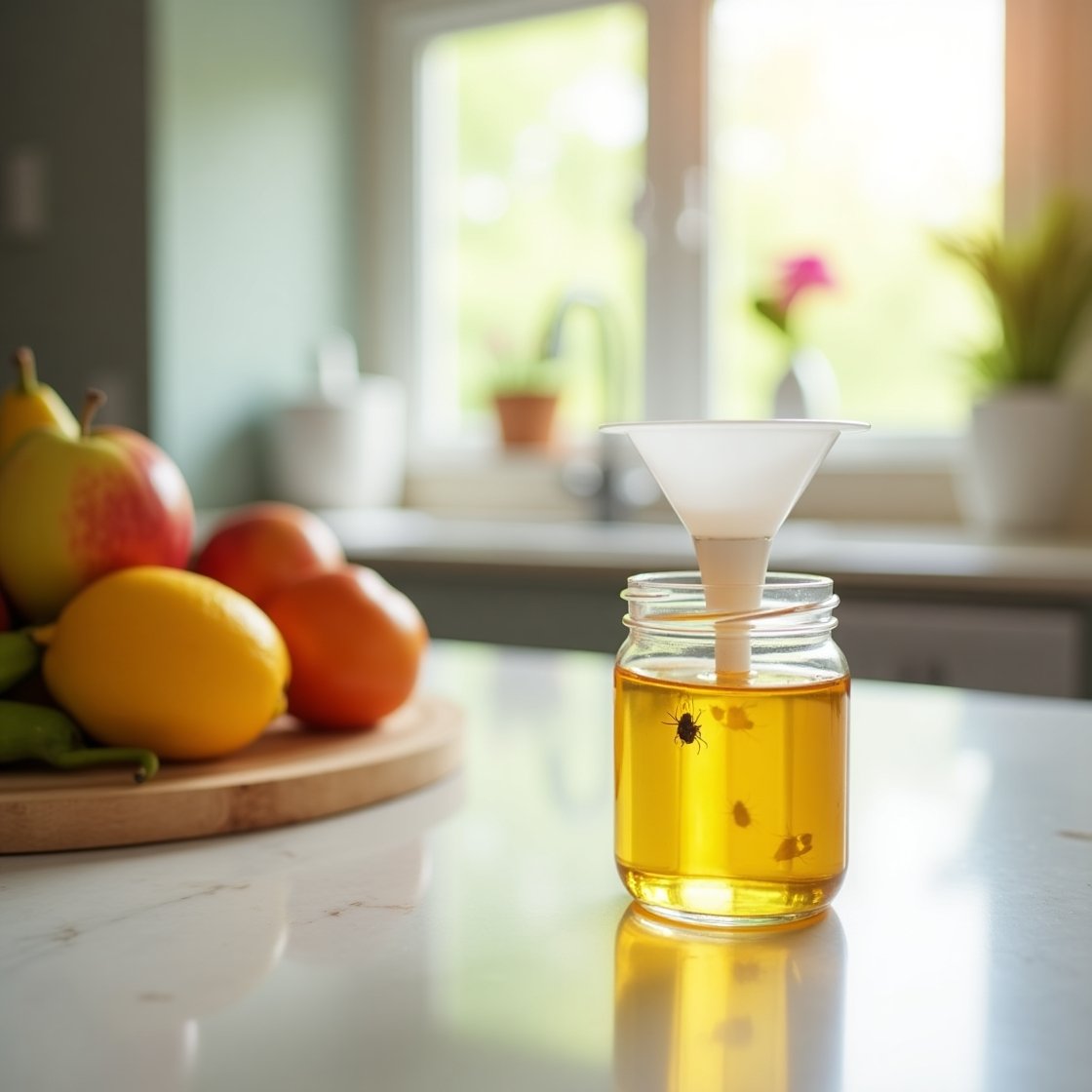
Are you tired of fruit flies buzzing around your kitchen, invading your fresh produce and making meal prep less enjoyable? You’re not alone! These pesky pests can be a nuisance, but there’s no need to reach for harsh chemicals or expensive traps. With a little creativity and household items, you can create a DIY fruit fly trap that is both easy to make and eco-friendly. In this article, we’ll explore effective solutions that will not only banish these tiny intruders but also keep your kitchen safe and healthy. Say goodbye to fruit flies and hello to a cleaner, fresher space—all while using simple, natural materials you likely already have at home. Get ready to reclaim your kitchen with these easy-to-follow, effective strategies!
DIY Fruit Fly Trap: Easy, Effective, and Eco-Friendly Solutions to Keep Your Kitchen Fly-Free!
Understanding the Fruit Fly Problem
Fruit flies, scientifically known as Drosophila melanogaster, are tiny insects that seem to appear out of nowhere, seemingly overnight. These little pests are attracted to ripened or fermenting fruits and vegetables, where they lay their eggs. A single female fruit fly can lay up to 500 eggs at a time, and these eggs hatch into larvae within just a day. This rapid reproduction cycle means that a small fruit fly problem can quickly become a major infestation if not addressed promptly. Fruit flies are not only annoying but can also pose a threat to your food safety as they can carry bacteria from one surface to another.
The lifecycle of a fruit fly is incredibly short, typically around 8-10 days from egg to adult. This quick turnaround allows them to multiply at an astonishing rate. Understanding their lifecycle is key to combating them effectively. By targeting fruit flies at various stages of their development, you can significantly reduce their population in your kitchen. It’s also important to identify the sources of their attraction, which generally include overripe fruits, vegetables, and other organic materials like food scraps or spills.
Moreover, fruit flies have an incredible sense of smell, which helps them locate food sources from significant distances. This is why simply hiding your fruits away is not always enough. To effectively manage and eradicate fruit flies, you need to combine immediate action with long-term preventative measures. In the following sections, we will explore why DIY solutions are often the best approach and how you can create effective traps using everyday household items.
Why Choose DIY Solutions for Fruit Fly Traps?
When it comes to dealing with fruit flies, many people might consider reaching for commercial insecticides or traps. While these products can be effective, they often contain harsh chemicals that can be harmful to your health and the environment. Additionally, these solutions can be costly and may not always be readily available when you need them the most. This is where DIY fruit fly traps come into play. They offer a cost-effective, eco-friendly alternative that you can create quickly using items you likely already have at home.
One of the primary reasons to opt for DIY solutions is the control it gives you over the ingredients used. By making your own traps, you can ensure that no toxic substances are released into your kitchen environment. This is particularly important if you have children or pets, as they are more vulnerable to the harmful effects of chemicals. DIY traps use natural ingredients that are safe for your family and the planet, making them a more sustainable choice in the battle against fruit flies.
Furthermore, DIY fruit fly traps can be customized to suit your specific needs. Whether you prefer a simple solution or a more elaborate setup, there are numerous designs to choose from. This versatility allows you to experiment and find the most effective method for your situation. Additionally, creating these traps can be a fun and educational activity, giving you a sense of accomplishment as you tackle the fruit fly problem head-on. In the next section, we will discuss the essential ingredients needed to make your own fruit fly traps.
Essential Ingredients for Homemade Fruit Fly Traps
Creating a homemade fruit fly trap is surprisingly simple and requires only a few basic ingredients. The primary component of any effective trap is a bait that will attract the fruit flies. Common baits include apple cider vinegar, ripe fruit, or a mixture of sugar and water. Apple cider vinegar is particularly effective because it mimics the smell of fermenting fruit, which is highly attractive to fruit flies. Additionally, you will need a container to hold the bait and some form of a funnel or cover to trap the flies once they are inside.
Apple cider vinegar is a popular choice for bait because it not only attracts fruit flies but also has the added benefit of being a natural disinfectant. To enhance its effectiveness, you can add a few drops of dish soap to the vinegar. The soap breaks the surface tension, causing the flies to sink and drown once they land on the liquid. Another effective bait option is a piece of overripe fruit placed in a bowl covered with plastic wrap. Poke small holes in the plastic wrap to allow the flies to enter but make it difficult for them to escape.
In addition to the bait and container, you may also need some basic household items such as paper, rubber bands, and tape to create your trap. For example, you can roll a piece of paper into a cone shape and place it in the opening of a jar containing the bait. The flies will be able to fly in through the narrow opening but will struggle to find their way out. With these simple ingredients, you can create an effective fruit fly trap in just a few minutes. Now that you have an idea of what you’ll need, let’s move on to the step-by-step guide to making your own fruit fly trap.
Step-by-Step Guide to Creating Your Own Fruit Fly Trap
Creating a DIY fruit fly trap is straightforward and can be done in a few simple steps. Here, we will guide you through the process of making a basic trap using apple cider vinegar and a jar. This method is highly effective and can be easily customized to suit your needs.
First, gather your materials. You will need a small jar or glass, apple cider vinegar, dish soap, plastic wrap, and a rubber band. Start by pouring about half an inch of apple cider vinegar into the jar. The vinegar will act as the bait, attracting the fruit flies with its fermenting smell. Next, add a few drops of dish soap to the vinegar. This will break the surface tension of the liquid, causing the flies to sink and drown once they land on it.
Once you have prepared the bait, cover the top of the jar with plastic wrap and secure it with a rubber band. Make sure the plastic wrap is taut and has no gaps around the edges. Use a toothpick or a fork to poke several small holes in the plastic wrap. These holes should be large enough for the fruit flies to enter but small enough to prevent them from easily escaping. Place the trap in an area where you have noticed fruit fly activity, such as near your fruit bowl or trash can.
Check the trap regularly and replace the vinegar and plastic wrap as needed. Depending on the severity of your fruit fly problem, you may need to set up multiple traps around your kitchen to effectively reduce their population. This simple yet effective trap can help you reclaim your kitchen from these pesky pests. In the next section, we will explore some alternative DIY fruit fly trap designs that you can try.
Alternative DIY Fruit Fly Trap Designs
While the apple cider vinegar trap is a popular and effective option, there are several alternative designs that you can experiment with to find the best solution for your situation. Each of these designs uses different materials and methods to attract and trap fruit flies, giving you a variety of options to choose from.
One alternative design is the fruit trap. This method uses a piece of overripe fruit, such as a banana or apple, as bait. Place the fruit in a bowl and cover it with plastic wrap, securing the edges with a rubber band. Poke small holes in the plastic wrap to allow the fruit flies to enter. This trap works well because fruit flies are naturally attracted to the smell of fermenting fruit. Once they enter the bowl, they will struggle to find their way out and will eventually be trapped.
Another effective design is the wine trap. Fruit flies are also attracted to the smell of wine, particularly red wine. To create this trap, pour a small amount of red wine into a glass and add a few drops of dish soap. Cover the glass with plastic wrap and poke small holes in the top. The fruit flies will be drawn to the wine and will become trapped once they land on the liquid. This method not only helps to catch fruit flies but also allows you to repurpose any leftover wine that you might have.
For a more creative approach, you can try the paper cone trap. To make this trap, place a small amount of apple cider vinegar or a piece of ripe fruit in a jar. Roll a piece of paper into a cone shape, leaving a small opening at the narrow end. Insert the cone into the jar with the narrow end pointing down. The fruit flies will be attracted to the bait and will enter the jar through the narrow opening, but they will have difficulty escaping. This trap is easy to set up and can be reused by simply replacing the bait as needed. With these alternative designs, you can find the most effective method for trapping fruit flies in your kitchen.
Tips for Maximizing the Effectiveness of Your Traps
While creating DIY fruit fly traps is a great start, there are several tips and tricks you can use to maximize their effectiveness. By implementing these strategies, you can ensure that your traps catch as many fruit flies as possible and help to reduce their population more quickly.
One important tip is to place your traps in strategic locations. Fruit flies are most likely to be found near sources of food, such as fruit bowls, compost bins, and trash cans. By placing traps in these areas, you can target the flies where they are most active. Additionally, consider setting up multiple traps around your kitchen to increase your chances of catching more flies. This is especially important if you have a severe infestation, as it will help to reduce their numbers more quickly.
Another tip is to regularly replace the bait in your traps. Over time, the effectiveness of the bait can diminish as it loses its smell or becomes contaminated with dead flies. By refreshing the bait every few days, you can ensure that your traps remain attractive to fruit flies. Additionally, be sure to clean the traps regularly to remove any trapped flies and prevent the buildup of bacteria or mold.
It’s also important to minimize other sources of attractants in your kitchen. Keep your fruits and vegetables stored properly, either in the refrigerator or in sealed containers. Clean up any spills or food scraps promptly, and take out the trash regularly. By reducing the availability of food sources, you can make your traps more effective in attracting and catching fruit flies.
Finally, consider using a combination of different trap designs to increase your chances of success. Different fruit flies may be attracted to different baits, so by offering a variety of options, you can catch more flies. Experiment with different baits and trap designs to find the most effective combination for your situation. By following these tips, you can maximize the effectiveness of your DIY fruit fly traps and keep your kitchen fly-free.
Preventative Measures to Keep Fruit Flies Away
While DIY fruit fly traps are effective at catching and reducing the population of these pests, taking preventative measures is key to keeping your kitchen fly-free in the long term. By implementing these strategies, you can create an environment that is less attractive to fruit flies and prevent future infestations.
One of the most important preventative measures is proper food storage. Fruit flies are attracted to ripened and fermenting fruits and vegetables, so it’s essential to store these items properly. Keep fruits and vegetables in the refrigerator whenever possible, and use airtight containers for those that need to be stored at room temperature. Additionally, check your produce regularly for signs of over-ripening or spoilage, and dispose of any items that are no longer fresh.
Maintaining a clean kitchen is another crucial step in preventing fruit flies. Be sure to clean up any spills or food scraps promptly, as even small amounts of food can attract fruit flies. Wipe down countertops, sinks, and other surfaces regularly to remove any food residue. Pay special attention to areas where food waste accumulates, such as trash cans, compost bins, and garbage disposals. Taking out the trash regularly and keeping your compost bin covered can also help to reduce attractants.
Proper waste management is also essential in preventing fruit fly infestations. Ensure that your trash cans have tight-fitting lids to prevent fruit flies from accessing the contents. If you compost, use a compost bin with a secure lid and empty it regularly to minimize the buildup of organic material that can attract fruit flies. Additionally, consider using a compostable liner for your compost bin to make it easier to dispose of food scraps without creating a mess.
Finally, consider using natural repellents to keep fruit flies away. Herbs like basil, mint, and lavender are known to repel fruit flies, so placing these plants in your kitchen can help to deter them. You can also use essential oils like eucalyptus, peppermint, or lemongrass to create a natural repellent spray. Simply mix a few drops of the essential oil with water in a spray bottle and use it to mist areas where fruit flies are likely to be found. By taking these preventative measures, you can create a less attractive environment for fruit flies and reduce the likelihood of future infestations.
Eco-Friendly Practices for a Fly-Free Kitchen
In addition to creating DIY fruit fly traps and taking preventative measures, adopting eco-friendly practices can help to maintain a fly-free kitchen while minimizing your environmental impact. By incorporating these sustainable habits into your routine, you can create a healthier and more environmentally conscious home.
One eco-friendly practice is to reduce food waste. Fruit flies are attracted to overripe and decaying produce, so by minimizing food waste, you can reduce their food sources. Plan your meals and grocery shopping to ensure that you only buy what you need and use up perishable items before they go bad. Composting food scraps is another sustainable option, but be sure to do so in a way that minimizes attractants for fruit flies, such as using a covered compost bin and emptying it regularly.
Another sustainable habit is to use natural cleaning products. Many commercial cleaning products contain harsh chemicals that can be harmful to your health and the environment. Instead, opt for natural alternatives like vinegar, baking soda, and lemon juice. These ingredients are effective at cleaning and disinfecting surfaces without the negative side effects of chemical cleaners. Additionally, using reusable cleaning cloths and sponges instead of disposable paper towels can help to reduce waste.
Properly managing your kitchen waste is also an important eco-friendly practice. Ensure that your trash cans and compost bins are properly sealed to prevent fruit flies from accessing the contents. Use biodegradable or compostable liners for your bins to reduce plastic waste. Additionally, consider setting up a recycling system in your kitchen to separate recyclable materials from regular trash. This not only helps to reduce waste but also promotes a more sustainable lifestyle.
Finally, consider incorporating natural pest repellents into your kitchen routine. As mentioned earlier, herbs like basil, mint, and lavender can help to repel fruit flies. You can also use essential oils to create natural repellent sprays. These eco-friendly alternatives are not only effective at keeping fruit flies at bay but also add a pleasant aroma to your kitchen. By adopting these eco-friendly practices, you can create a healthier, more sustainable home while keeping your kitchen free of fruit flies.
Common Mistakes to Avoid When Using DIY Traps
While DIY fruit fly traps are generally easy to make and effective, there are some common mistakes that can reduce their effectiveness. By being aware of these pitfalls, you can ensure that your traps work as intended and help to eliminate fruit flies from your kitchen.
One common mistake is using the wrong type of bait. Fruit flies are attracted to fermenting and ripening fruits, so it’s important to use bait that mimics these smells. Apple cider vinegar, overripe fruit, and red wine are all effective options. Avoid using baits that are too fresh or not sweet enough, as they may not attract fruit flies. Additionally, make sure to replace the bait regularly to maintain its effectiveness.
Another mistake is not sealing the trap properly. If the plastic wrap or cover is not secured tightly, fruit flies may be able to escape. Ensure that the plastic wrap is taut and has no gaps around the edges. If using a paper cone, make sure the opening is small enough to prevent flies from easily flying out. Regularly check and adjust the traps as needed to ensure they are effectively trapping the flies.
Placing the traps in the wrong locations is another common error. Fruit flies are most likely to be found near sources of food, so it’s important to place the traps in areas where they are most active. Common hotspots include near fruit bowls, trash cans, and compost bins. Avoid placing traps in areas with strong airflow, such as near fans or open windows, as this can disperse the bait’s scent and reduce its effectiveness.
Finally, neglecting to take preventative measures can undermine the effectiveness of your traps. While traps can help to catch and reduce the population of fruit flies, it’s important to address the underlying issues that attract them in the first place. Proper food storage, regular cleaning, and waste management are all crucial steps in preventing future infestations. By avoiding these common mistakes and taking a comprehensive approach, you can effectively eliminate fruit flies from your kitchen.
Conclusion: Enjoy a Fruit Fly-Free Kitchen!
Dealing with fruit flies can be a frustrating experience, but with the right approach, you can effectively eliminate these pests from your kitchen. DIY fruit fly traps offer a cost-effective, eco-friendly solution that allows you to take control of the situation using simple household items. By understanding the fruit fly problem, choosing the right ingredients, and following the step-by-step guide, you can create effective traps that will help to reduce the population of fruit flies in your kitchen.
In addition to setting up traps, taking preventative measures is key to keeping your kitchen fly-free in the long term. Proper food storage, regular cleaning, and waste management are all essential steps in creating an environment that is less attractive to fruit flies. By incorporating eco-friendly practices into your routine, you can maintain a clean and sustainable kitchen while minimizing your environmental impact.
Remember to avoid common mistakes when using DIY traps, such as using the wrong bait or not sealing the traps properly. By being mindful of these pitfalls and taking a comprehensive approach, you can maximize the effectiveness of your traps and prevent future infestations.
Say goodbye to fruit flies and hello to a cleaner, fresher kitchen. With these easy-to-follow, effective strategies, you can reclaim your kitchen from these pesky pests and enjoy a fruit fly-free space. So roll up your sleeves, gather your materials, and get ready to tackle the fruit fly problem head-on. Your kitchen will thank you!